
History of Cosplaying
The story behind what started cosplay
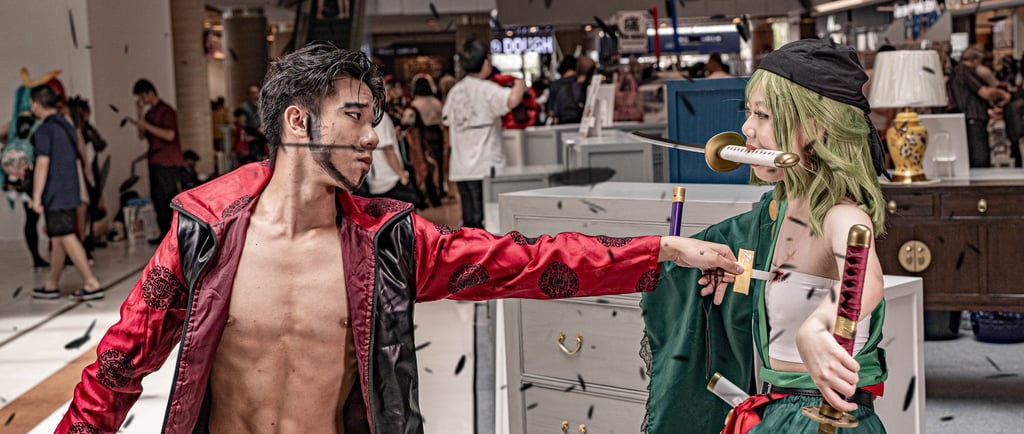
The History of Cosplay: How It Began and How Far It Has Come
Cosplay, short for “costume play,” is now a global phenomenon, but its roots stretch back decades across multiple cultures. What started as fans dressing up for fun has evolved into a worldwide creative movement involving craftsmanship, performance, photography, and community.
This is the story of how cosplay began, how it evolved, and where it stands today.
The Early Origins of Cosplay
Although cosplay is closely associated with Japan, its earliest roots can be traced to science fiction fandom in the West.
In the 1930s and 1940s, fans attending science fiction conventions in the United States began dressing up as characters from pulp magazines and films. One of the earliest recorded costume appearances was at the 1st World Science Fiction Convention in 1939, where fans wore futuristic outfits inspired by sci-fi stories.
At this stage, cosplay was informal, experimental, and community-driven.
The Birth of Modern Cosplay in Japan
The term “cosplay” was coined in 1984 by Japanese journalist Nobuyuki Takahashi after attending a science fiction convention in the United States. Inspired by the costume culture, he combined the words costume and play to create “cosplay.”
In Japan, cosplay quickly took on a new identity:
Strong focus on anime, manga, and video games
Emphasis on accuracy and character portrayal
Dedicated cosplay events and fan spaces
By the 1990s, cosplay had become a core part of Japanese pop culture, especially in areas like Akihabara and Harajuku.
The Rise of Global Cosplay Culture
As anime, games, and pop culture spread worldwide, cosplay followed. The 2000s marked a turning point:
Anime conventions expanded globally
Online forums and early social media connected cosplayers
Digital cameras made cosplay photography more accessible
Cosplay was no longer limited to conventions—it became a year-round hobby and creative outlet.
The Evolution of Cosplay Craftsmanship
Modern cosplay has grown far beyond simple costumes. Today’s cosplayers often specialise in:
Advanced sewing and tailoring
Foam armour and prop fabrication
3D printing and LED integration
Professional wig styling and makeup
This rise in craftsmanship has transformed cosplay into a respected art form rather than a casual hobby.
The Role of Cosplay Photography
As cosplay evolved, so did cosplay photography.
Photography became essential for:
Showcasing costume details
Storytelling and cinematic scenes
Social media portfolios and competitions
Brand collaborations and sponsorships
Professional cosplay photographers now play a key role in bringing characters to life through lighting, composition, and post-processing.
Cosplay in the Social Media Era
Platforms like Instagram, TikTok, and Twitter accelerated cosplay’s growth:
Cosplayers gained international audiences
Visual quality standards increased
Photoshoots became more cinematic and planned
Cosplay is now both a creative passion and a professional pathway for some creators.
Cosplay in Singapore Today
In Singapore, cosplay has grown into a thriving community supported by:
Major conventions and pop culture events
Local cosplay photographers and studios
Outdoor and studio photoshoots
Competitive and casual cosplay scenes
Cosplay today spans anime, games, movies, original characters, and cross-genre interpretations.
How Far Cosplay Has Come
From small fan gatherings to global conventions, cosplay has evolved into:
A form of self-expression
A creative industry
A bridge between fandom and art
A powerful visual storytelling medium
What began as fans dressing up has become a worldwide culture celebrated through craftsmanship, performance, and photography.
Final Thoughts
Cosplay’s history reflects the passion of fans who wanted to step into the worlds they loved. As technology, photography, and global communities continue to grow, cosplay will keep evolving—pushing creativity even further.
Whether you’re a cosplayer, photographer, or fan, cosplay remains a powerful reminder that imagination has no limits.
Connect
Reach out for Enquiries about our service or book us
Contact/Email
senseis@pixelsenseis.com
+65 8078 6504.
© 2026. All rights reserved.